Recovery from addiction or mental health challenges is more than a physical journey. It is a deeply emotional process that requires rebuilding strength, coping skills, and self-awareness. At [mikericchiuti.com], we understand that healing involves nurturing the mind, body, and spirit. One of the most powerful tools in this journey is music therapy, which uses rhythm, melody, and sound to enhance emotional resilience and support long-term recovery.
How Music Therapy Impacts Emotional Health
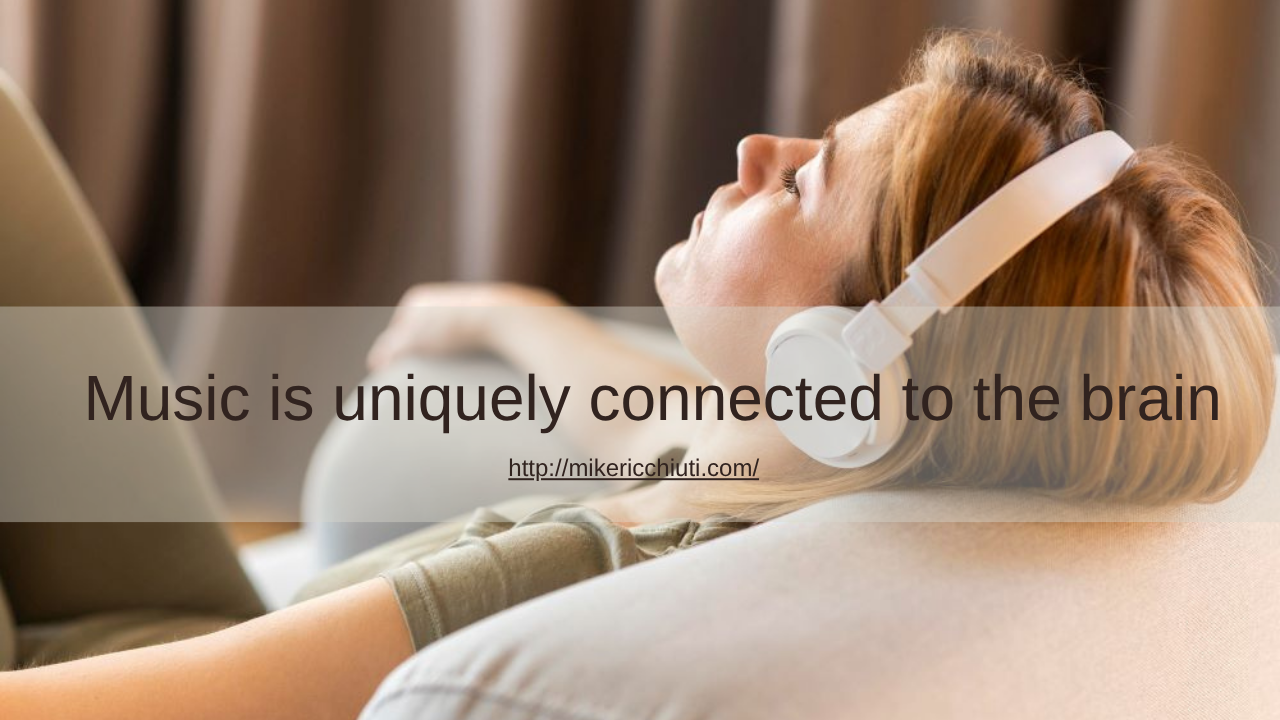
Music is uniquely connected to the brain. Listening to or creating music stimulates areas responsible for emotion, memory, and motivation. Studies show that music can increase dopamine and serotonin levels while lowering cortisol, the stress hormone. These changes help individuals feel calmer, more focused, and emotionally balanced.
For clients in recovery, this neurological response is invaluable. Music therapy provides a safe space to explore feelings, release tension, and practice coping skills, all of which strengthen emotional resilience.
Rhythm as a Tool for Stability
Rhythm is a fundamental part of life. Our hearts beat in patterns, and our breathing naturally follows a cadence. Music therapy leverages these rhythms to bring stability to the nervous system. Drumming exercises, percussive rhythms, or structured musical activities help clients regulate emotions, reduce anxiety, and build confidence in their ability to respond to stress in healthy ways.
Music Therapy in Addiction Recovery
Addiction often disrupts emotional regulation and social connection. Music therapy provides a creative outlet for self-expression that can complement traditional therapy. Clients may engage in activities such as guided listening, songwriting, or group drumming sessions. These experiences allow individuals to process emotions that might be difficult to articulate, fostering self-awareness and emotional growth.
Building Resilience Through Expression
Emotional resilience is the capacity to recover from setbacks and manage stress effectively. Music therapy strengthens this resilience by giving clients tools to navigate difficult emotions. Regular engagement in music-based activities teaches focus, patience, and emotional regulation, all of which are crucial for sustaining long-term recovery.
The Role of Faith and Holistic Healing
At [mikericchiuti.com], we integrate faith-based practices with holistic, individualized care. Music therapy naturally aligns with spiritual recovery, offering opportunities for reflection, hope, and connection. Whether through meditative melodies, hymns, or rhythmic exercises, music provides both emotional and spiritual support that reinforces overall well-being.
Complementing Traditional Therapies
Music therapy is most effective when combined with counseling, medical support, and personalized care plans. By integrating creative expression with evidence-based treatment, clients experience a holistic path to healing that addresses the mind, body, and spirit.
Finding Strength in Every Note
The healing power of music goes beyond entertainment. It strengthens emotional resilience, fosters self-expression, and supports recovery from addiction and mental health challenges. At [mikericchiuti.com], we guide clients to harness music as a tool for growth and stability, helping them rebuild their lives with confidence and hope.
If you or a loved one is seeking compassionate, individualized care for addiction or mental health concerns, reach out today. Together, we can create a path of healing, one beat at a time.