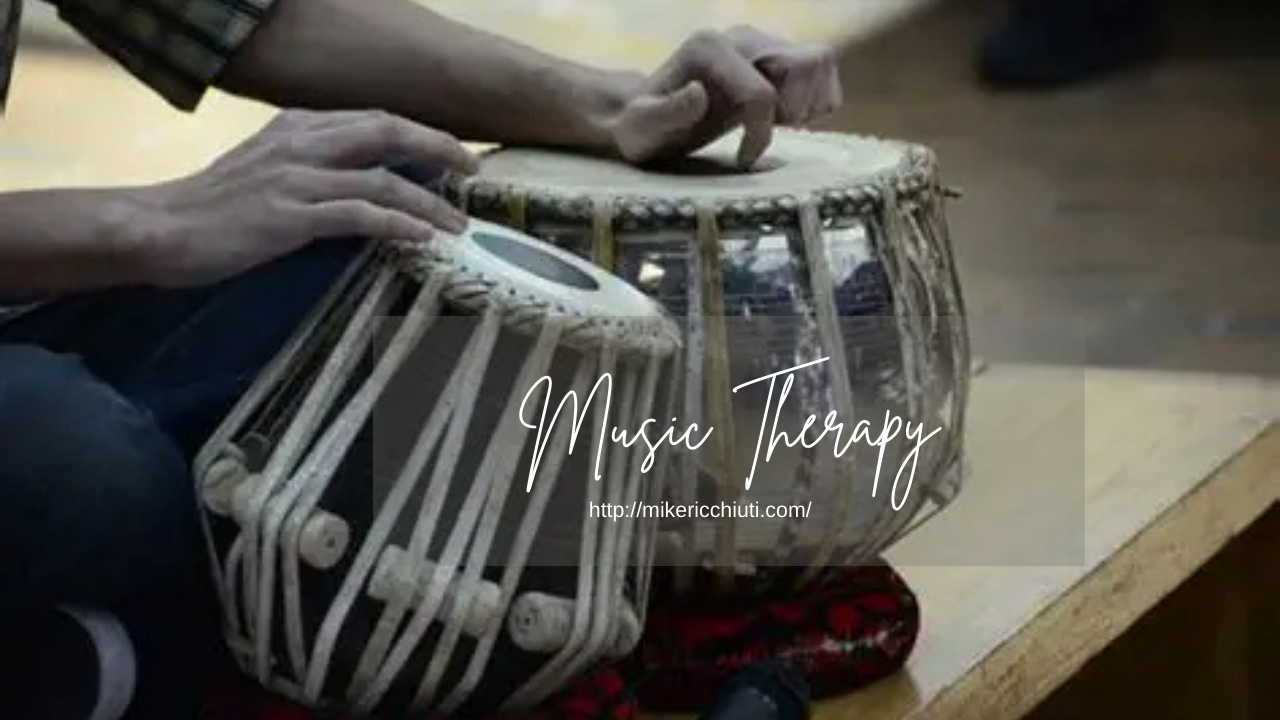
Healing from addiction and mental health challenges requires a holistic approach that addresses the mind, body, and spirit. At [mikericchiuti.com], we understand that traditional therapy is essential, but complementary therapies can significantly enhance recovery. One of the most effective methods is music therapy, which uses instruments, rhythm, and melody to support emotional well-being, reduce stress, and strengthen resilience.
Understanding Music Therapy and Its Benefits
Music therapy is a structured, evidence-based approach in which trained professionals use musical interventions to promote mental health. It is not merely about listening to music for enjoyment. Instead, it actively engages individuals in creating or interacting with music to process emotions, develop coping skills, and reinforce mental stability. Studies have shown that music therapy can reduce anxiety, elevate mood, and improve self-expression, making it an ideal complement to inpatient and outpatient treatment programs.
How Rhythm and Sound Affect the Brain
The brain responds powerfully to rhythm, melody, and harmony. Engaging with music can stimulate the release of dopamine and serotonin, neurotransmitters linked to happiness and reward. At the same time, it can reduce cortisol, the hormone associated with stress. For individuals recovering from addiction, this means music therapy provides a natural mechanism to regulate mood, improve emotional balance, and reduce triggers that could lead to relapse.
Music Therapy in Addiction Recovery
Addiction often disrupts emotional regulation and social connection. Music therapy addresses these challenges by providing safe, nonverbal ways to explore feelings. Activities such as drumming, singing, or playing stringed instruments allow participants to express frustration, sadness, and hope in a supportive environment. Group sessions further strengthen recovery by fostering collaboration and empathy, helping individuals reconnect with others after periods of isolation.
Building Emotional Resilience
Beyond emotional expression, music therapy helps develop practical resilience skills. Rhythmic exercises and guided music creation encourage focus, mindfulness, and emotional awareness. These skills translate directly into daily life, enabling clients to navigate stress, avoid impulsive behaviors, and sustain long-term recovery. Over time, individuals gain confidence in their ability to face challenges with stability and calm.
Supporting Mental Health Beyond Addiction
While music therapy is highly effective for addiction recovery, its benefits extend to mental health more broadly. For individuals managing anxiety, depression, or trauma, engaging with music can be grounding and therapeutic. Learning to play an instrument or participating in group sessions provides structure, encourages discipline, and creates positive outlets for emotions. Even brief sessions of music-based mindfulness or rhythm exercises can help regulate mood and enhance mental clarity.
A Holistic and Personalized Approach
At [mikericchiuti.com], every treatment plan is tailored to the individual. Music therapy is integrated alongside counseling, medical care, and faith-based support, ensuring that each client receives personalized, compassionate guidance. This holistic approach nurtures mind, body, and spirit, reinforcing overall mental health while supporting recovery goals.
Take the Next Step
Music has the power to restore balance, build resilience, and reinforce mental health. Whether through drums, strings, or voice, music therapy offers a safe and effective path toward emotional healing. If you or a loved one is seeking comprehensive, compassionate care for addiction or mental health challenges, reach out to [mikericchiuti.com] today. Together, we can create a personalized journey toward recovery, strength, and lasting well-being.