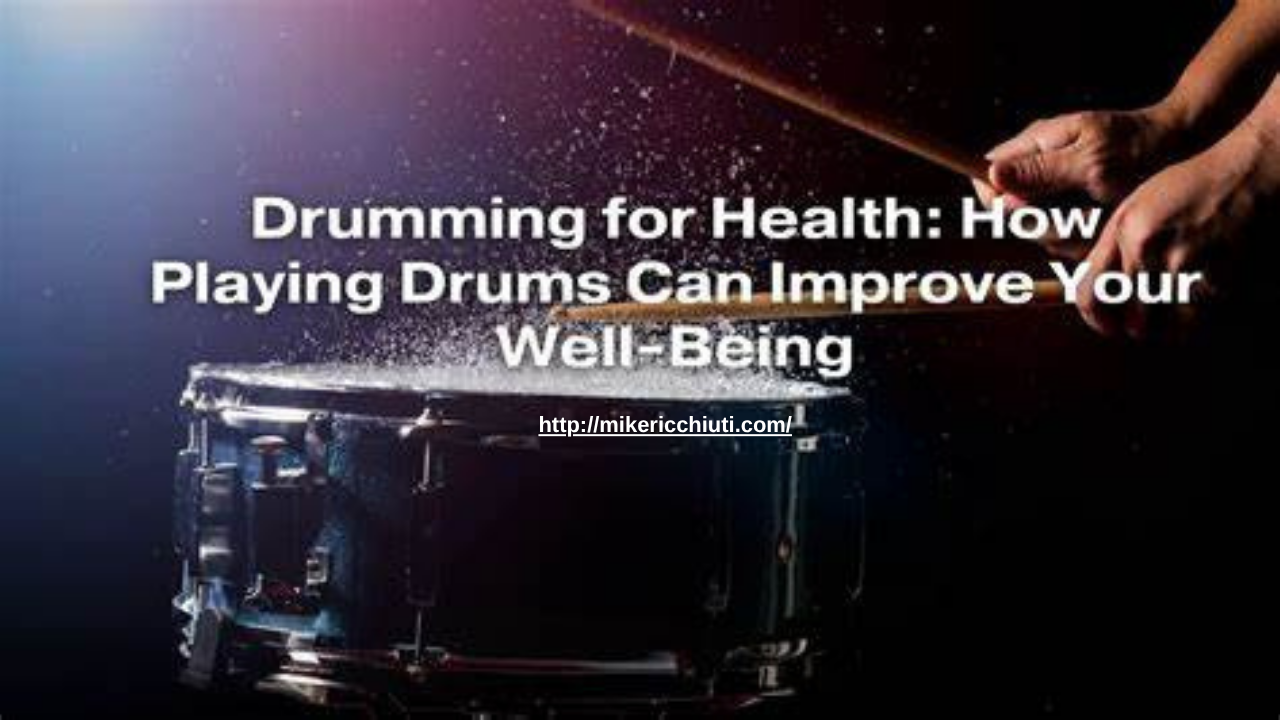
Drumming, one of the oldest forms of musical expression, has transcended cultural and historical boundaries as a tool for connection, celebration, and healing. Today, it is gaining recognition in the field of mental health as a powerful method for combating depression and enhancing emotional well-being. The act of drumming engages the body and mind in a rhythmic process that not only expresses emotions but also helps regulate them.
The Therapeutic Power of Rhythm
Rhythm plays a fundamental role in how humans perceive and respond to the world. From the steady beat of the heart to the cadence of speech and movement, rhythm governs our biological and emotional rhythms. Drumming, in particular, offers a tactile and auditory experience that synchronizes brain activity and induces a calming, meditative state.
Neuroscientific studies show that repetitive rhythmic patterns can help reduce cortisol levels and increase dopamine production—both of which are crucial in managing depression. The physical act of drumming stimulates multiple brain regions simultaneously, including those responsible for motor control, auditory processing, and emotional regulation. This multi-sensory engagement makes drumming especially effective in interrupting negative thought patterns and restoring a sense of balance and focus.
Drumming as Emotional Expression
Depression often brings with it a sense of emotional numbness or an inability to articulate inner struggles. Drumming provides a non-verbal outlet for expressing feelings such as anger, sadness, or frustration. The intensity and speed of drumming can be adjusted to mirror one’s emotional state, creating a safe space for self-expression and release.
Group drumming circles enhance this effect by fostering a sense of community and shared experience. The synchronized rhythm creates a collective energy that promotes connection and reduces feelings of isolation. For individuals battling depression, this social component can be deeply healing, reinforcing the idea that they are not alone in their struggle.
Evidence-Based Applications in Mental Health
Drumming is increasingly being incorporated into therapeutic programs for individuals dealing with depression, anxiety, PTSD, and other mental health challenges. In structured settings, facilitators guide participants through drumming exercises that are designed to be both enjoyable and therapeutic. These sessions often include elements of mindfulness, deep breathing, and body awareness.
Research has shown that participants in drumming therapy report decreased symptoms of depression and increased feelings of vitality and emotional clarity. The repetitive and immersive nature of drumming helps to anchor individuals in the present moment, reducing rumination and mental fatigue.
Integrating Drumming into Daily Life
One of the most appealing aspects of drumming is its accessibility. You don’t need to be a trained musician to experience its benefits. Simple hand drums or even improvised instruments can be used at home to engage in rhythmic play. Incorporating short drumming sessions into a daily routine can provide a structured, grounding activity that enhances mood and reduces stress.
Conclusion
Drumming is more than just music—it is a powerful, embodied practice that promotes healing from the inside out. By engaging rhythm and sound, individuals can tap into their innate capacity for self-expression, emotional regulation, and connection. As a rhythmic remedy for depression, drumming offers an accessible and empowering path toward mental wellness and resilience.