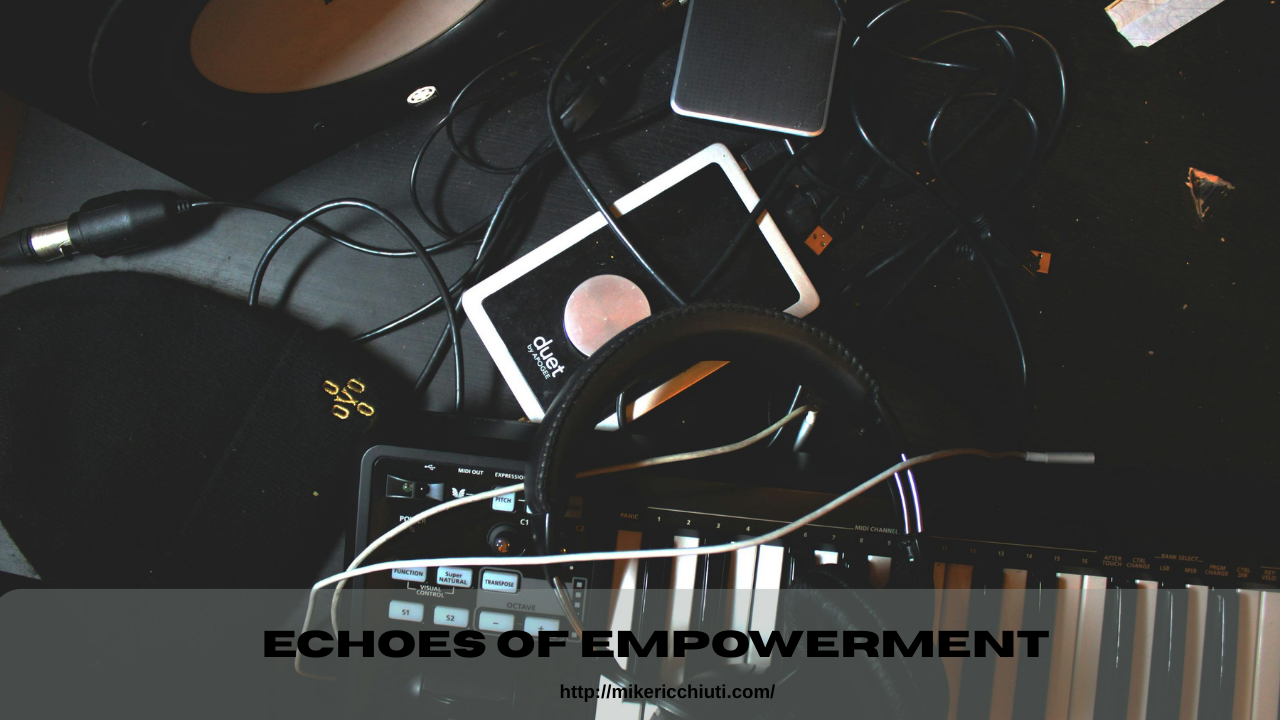
Recovery is not just about breaking free from addiction or managing mental health challenges. It is about building the strength to face life’s difficulties with hope and stability. At [mikericchiuti.com], we believe in approaches that nurture the whole person. Alongside counseling, medical treatment, and faith-based care, music therapy has emerged as a powerful tool that helps individuals cultivate emotional resilience. Through rhythm, melody, and song, music provides a pathway to healing that words alone often cannot reach.
The Connection Between Music and Emotional Strength
Music has always played a central role in human culture because it connects deeply with our emotions. Scientific research shows that engaging with music stimulates brain activity linked to memory, emotion, and motivation. For those in recovery, this stimulation can help reduce stress, improve focus, and promote a sense of peace. Whether it is listening to a calming melody or actively playing an instrument, music offers a safe space to process feelings and strengthen emotional balance.
How Music Supports Healing in Recovery
Addiction and mental health struggles often create emotional turbulence. Music therapy provides structure and creative outlets that help individuals regain control of their inner world. Activities such as drumming, songwriting, or guided listening allow clients to express emotions they may not have words for. This expression reduces feelings of isolation while building self-awareness and confidence. Over time, these experiences foster resilience that extends far beyond the therapy session.
Music Therapy and Stress Management
One of the most immediate benefits of music therapy is its ability to lower stress. Stress can be a major trigger for relapse, making it a critical area of focus in recovery. The rhythmic patterns of drumming or the gentle flow of string instruments can calm the nervous system and reduce cortisol levels. When clients learn to use music as a tool for relaxation, they gain a healthy and reliable way to manage life’s pressures without turning back to harmful substances or behaviors.
Building Community Through Music
Addiction often leaves people feeling disconnected from those around them. Group music therapy sessions create opportunities for connection, collaboration, and trust. Sharing rhythms, harmonies, or even just listening together can strengthen bonds and remind individuals that they are not alone on their journey. This sense of belonging is a vital component of long-term emotional resilience and recovery.
Faith-Based Integration
At [mikericchiuti.com], we recognize that healing is both emotional and spiritual. Music naturally complements faith-based recovery by creating moments of reflection, worship, and hope. Whether through hymns, meditative sounds, or uplifting rhythms, faith and music together provide a powerful foundation for inner strength.
A Holistic Path to Recovery
Music therapy is not a replacement for traditional treatment but a valuable partner in the healing process. By integrating music into personalized care plans, we provide clients with tools that address the mind, body, and spirit. This holistic approach ensures that recovery is not just about avoiding relapse but about building a meaningful and resilient life.
Finding Strength in Every Note
The echoes of music can do more than soothe the soul. They can empower individuals to rise above challenges, rebuild their lives, and embrace recovery with courage. At [mikericchiuti.com], we are here to guide you on this journey with compassion, expertise, and holistic care. If you or a loved one is seeking support for addiction or mental health challenges, reach out today. Together, we can create a rhythm of healing that leads to lasting emotional strength.